
Devices May Be Fueling the Demand for Physical Therapy
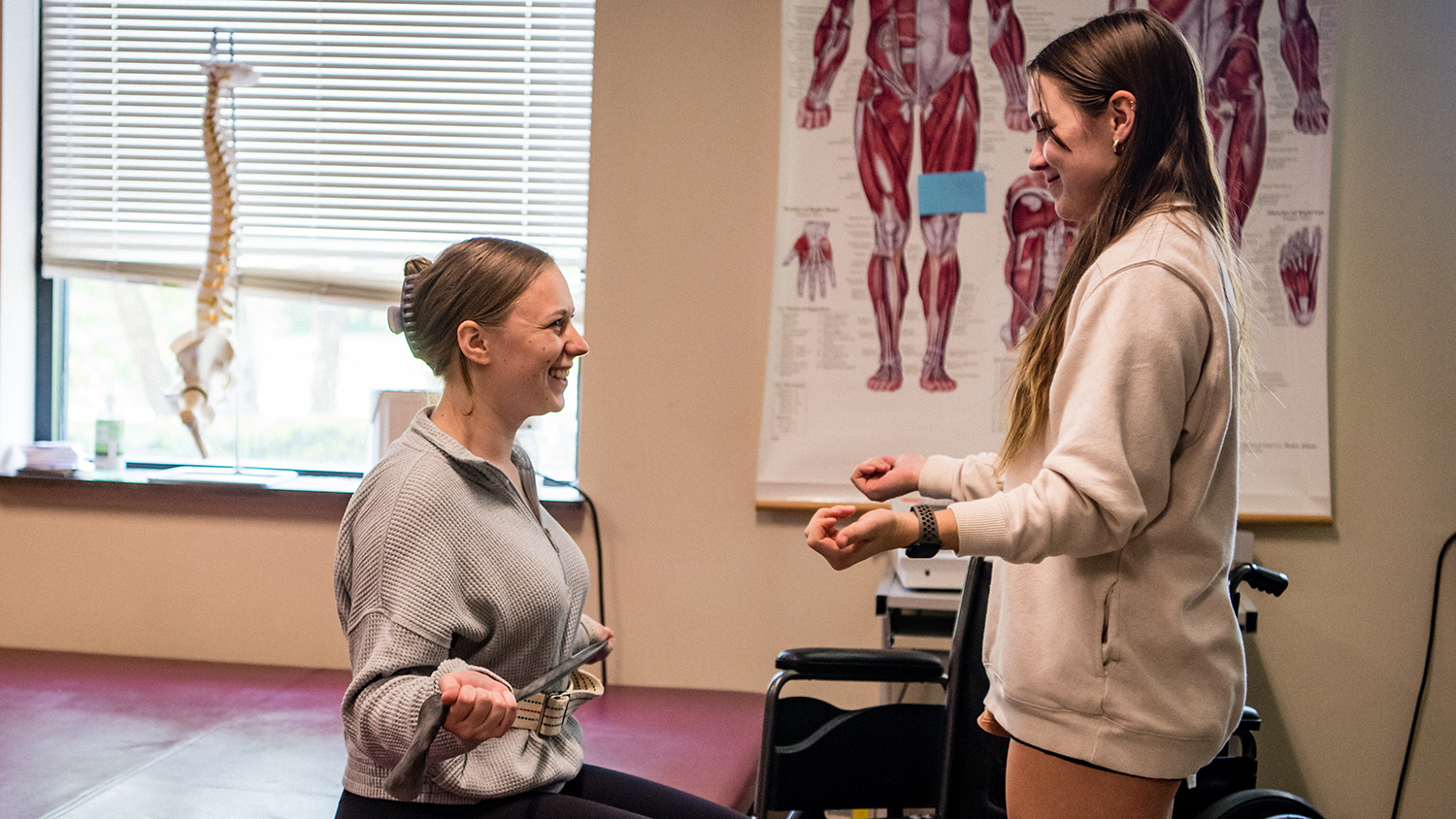
At Central Penn College, faculty in the Physical Therapist Assistant program are seeing firsthand how digital overuse is contributing to a rise in neck pain, back strain, repetitive stress injuries, and posture-related conditions that require professional intervention.
Burying our heads in smartphones, laptops, and tablets for hours each day is changing more than how we communicate. It is also reshaping the healthcare landscape. Across the country, musculoskeletal pain linked to screen time is driving increased demand for the skilled support of a physical therapy assistant.
The Rise of “Tech Neck” and Other Screen-Related Injuries
According to Dr. Nicole Patterson, Program Director for the Physical Therapist Assistant program at Central Penn College, technology has made life easier in countless ways. It has also created new physical challenges.
Common conditions linked to excessive device use include:
- Tech Neck (Forward Head Posture): Constantly looking down at screens places added pressure on the cervical spine.
- Sedentary Behavior: Long periods of sitting reduce physical activity, leading to muscle weakness and imbalance.
- Repetitive Strain Injuries: Continuous typing and scrolling can cause overuse injuries in the hands, wrists, and shoulders.
- Poor Ergonomics: Working from couches or poorly arranged desks can result in rounded shoulders and lower back strain.
These habits often lead patients to seek physical therapy services for:
- Cervical strain and chronic neck pain
- Upper back pain from rounded shoulders
- Lower back strain and sciatica
- Carpal tunnel syndrome
- Computer vision syndrome, including headaches and eye fatigue
As these issues become more common, the role of the physical therapy assistant becomes increasingly vital.
Why the Physical Therapy Assistant Role Is Growing
A physical therapy assistant works under the supervision of a licensed physical therapist to help patients regain movement, reduce pain, and restore function. As screen-related injuries increase, healthcare systems need more trained professionals who can deliver hands-on therapy and guide patients through recovery.
In central Pennsylvania and beyond, this demand is translating into strong job opportunities for graduates of accredited PTA programs.
Technology Is Also Transforming Physical Therapy
While digital overuse contributes to many conditions, technology is also helping physical therapy evolve. Today’s physical therapy assistant may work with:
- Virtual Reality (VR): Used for stroke rehabilitation, balance training, and chronic pain management.
- Gamification: Motion-based games that improve coordination and range of motion.
- Tele-rehabilitation: Remote monitoring and guided home exercise programs.
- Electrical Stimulation and TENS Units: Tools that support muscle re-education and pain management.
Modern physical therapy blends hands-on care with innovative tools, making it an exciting and future-focused career path.
How to Prevent Tech-Related Pain
Faculty at Central Penn recommend several simple strategies to reduce screen-related strain:
- Adjust workstations so screens are at eye level
- Use supportive seating and proper desk alignment
- Take regular movement breaks
- Stretch throughout the day
Even with preventive measures, many individuals still require professional rehabilitation. That is where a trained physical therapy assistant plays a critical role.
Become a Physical Therapy Assistant at Central Penn College
For those interested in entering this growing healthcare field, Central Penn College offers a comprehensive Physical Therapist Assistant associate degree program designed to prepare students for real-world clinical practice.
Key advantages include:
- Accelerated terms allowing students to earn an associate degree in just 18 months
- Day and evening classes for flexibility
- Hands-on lab training combined with clinical experience
- The only source of PTA classes in the central Pennsylvania region
By focusing on career-relevant skills and emerging industry trends, Central Penn College continues to position itself as a trusted leader in preparing future physical therapy assistants.
If you are ready to turn today’s tech-driven challenges into tomorrow’s career opportunity, learn more about the Physical Therapist Assistant program at centralpenn.edu and start your journey toward becoming a physical therapy assistant today.
